


Supremacy: Call of War 1942
4.65.55K Reviews
App Specs
- Version
- 0.233
- Updated On
- License
- Free
- Downloads
- 5,000,000+
- Developer
- Stillfront Supremacy GmbH
- Categories
- Strategy
- Platform
- Android, iOS
Screenshots
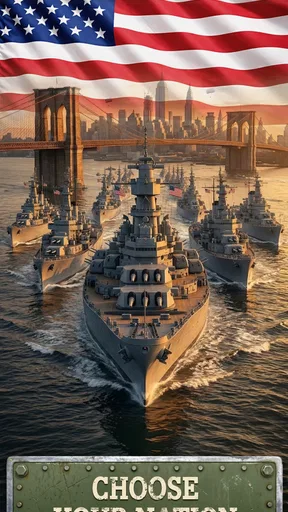
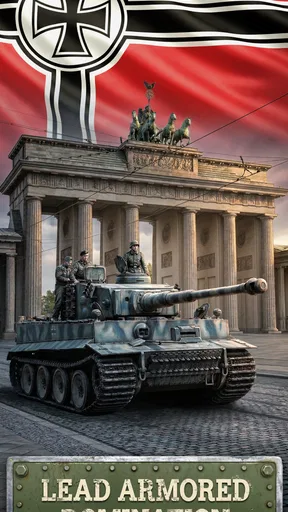
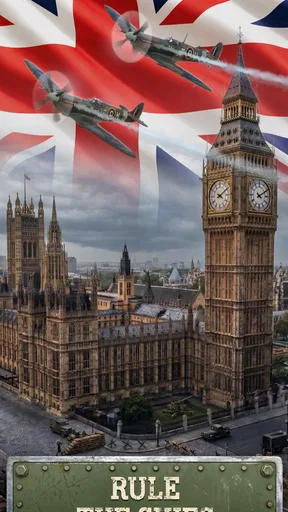
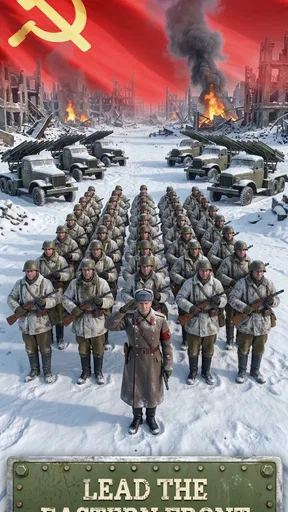
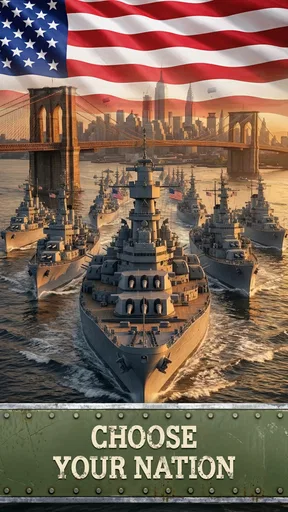
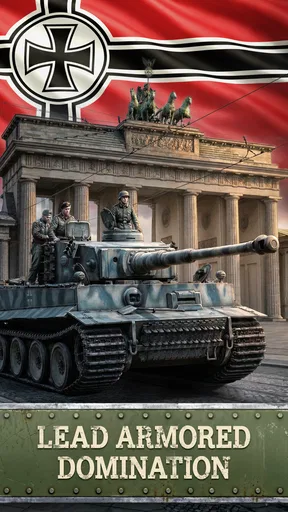
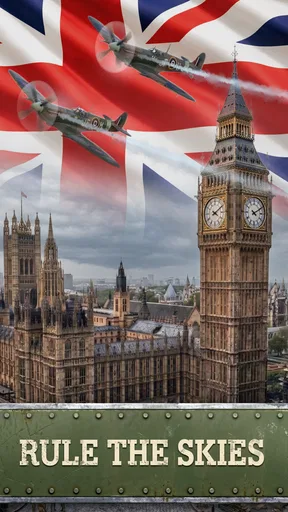
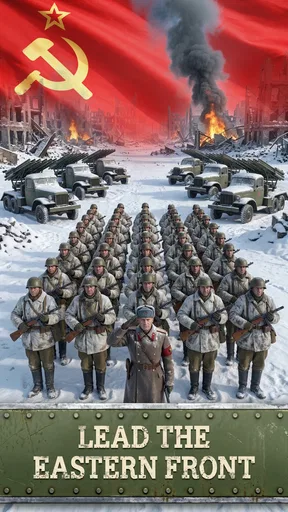
 Analysis by AppCompare
What keeps me interested in a long-running strategy game is not constant action but the small decisions that make me want to check back: where to direct attention, what to protect, and whether a plan is still worth pursuing. Supremacy: Call of War 1942 is built around that slower back-and-forth. It is a World War II strategy game from Stillfront Supremacy GmbH, and its appeal lies in treating a campaign as an ongoing set of choices rather than a string of quick battles.
Why the first move matters
When I begin a match, I try not to treat the map as a checklist of places to capture. The more useful first step is to decide what kind of position I want: expand quickly, protect what I already control, or take a cautious approach while I learn how nearby players behave. That choice gives the opening a purpose. It also helps prevent the common beginner mistake of spreading attention so widely that no single plan feels manageable.
This is a better fit for someone who enjoys thinking in stages than for someone looking for an immediate stream of combat. I find the opening most satisfying when I set a modest objective, make a few deliberate moves, and leave room to adjust. A plan is useful, but in a multiplayer campaign it should not become a promise to follow the same route regardless of what other people do.
Small check-ins, meaningful feedback
The real-time structure changes how I judge progress. Instead of expecting a complete story in one sitting, I look for feedback over time: whether my decisions are improving my position, whether an opponent’s behavior calls for a change, and whether an alliance is still serving my interests. That rhythm can make a brief check-in feel consequential without demanding that I play continuously.
A practical routine is to open the game when I have a few minutes, identify the most urgent decision, make that move, and then stop rather than inventing busywork. For example, if I have already chosen a direction for my campaign, I can use a check-in to review whether that direction still makes sense instead of changing several things at once. This makes it easier to understand what caused a result later.
There is a trade-off, though: the waiting is part of the design, not a temporary obstacle on the way to faster action. If I want every tap to trigger an immediate, visible payoff, this pace can feel restrained. I would choose a more action-focused strategy game for short bursts of constant feedback; here, patience and returning to a developing situation are part of the appeal.
What makes another session worthwhile
The reward is less about finishing a quick task and more about seeing whether a chain of choices has held together. A successful move can create a new problem to solve, while an unexpected setback may give me a reason to reconsider my approach. That makes the next visit feel like a continuation of a decision, not just another disconnected round.
Worth Reading Before You Choose

EA SPORTS FC Mobile 26 Is a Bigger Football Game, but It Takes Time

Flipboard Shows What News Apps Must Do Beyond the Feed

Switching to Android Auto Means Rethinking Your Driving Routine

Google Calendar Makes a Crowded Week Easier to Manage

Ludo King Makes the Most of the Minutes Between Plans

Baby Panda World Brings Quick Play to Modern Phones, but Its Game Library Feels Busy
To keep that loop enjoyable, I recommend setting a clear personal stopping point. I might decide to check the campaign, make the one or two decisions that need attention, and leave the rest for later. That keeps the game from taking over time meant for something else, and it makes returning feel intentional. It also suits players who like asynchronous-feeling strategy, even though the world itself continues in real time.
There is no need to treat every setback as a cue to spend money or to force a comeback. The game is free to start, but it offers in-app purchases ranging from $0.99 to $399.99 per item. I would approach those cautiously and decide what, if anything, is worth buying only after I understand the pace and the parts I genuinely enjoy. A large price range is a good reason to set a spending limit before browsing optional purchases, especially if I am still learning whether this style of campaign suits me.
A strategy game shaped by its players
Because other people are part of the experience, the most interesting decision is not always a battlefield one. An ally’s reliability, a rival’s timing, and the way players communicate can all affect how I think about my next move. I get more from multiplayer when I treat agreements as practical tools and stay alert to changing circumstances, rather than assuming every conversation guarantees cooperation.
That human element is also a reason to choose this over a purely solo strategy game. A computer opponent can offer a controlled challenge, but human players make the situation harder to predict. The reverse is true if I want a tidy campaign that pauses whenever I do: a single-player alternative may be more comfortable. Here, I need to be willing to accept that other players have their own plans and schedules.
Getting Started: Enter the Battlefield
The first thing I noticed about Supremacy: Call of War 1942 was how engaging the setup is. As soon as you launch the app, you're thrust into a world on the brink of chaos. The historical accuracy is impressive, with maps and scenarios that mirror the real-world events of World War II. You start by choosing a country to lead, and from there, it's all about strategy.
The tutorial is comprehensive without being overwhelming. I appreciated how it patiently walked me through the mechanics, ensuring that even newcomers to the strategy genre won't feel left out. It’s like having a friendly general on your shoulder, guiding you to victory.
Gameplay: Strategy at Its Finest
Once you're in the thick of it, the depth of gameplay really shines. Every decision you make has consequences, from diplomatic alliances to resource management. The balance between military and economic strategy is delicate but thrilling. I found myself constantly weighing my options, sometimes agonizing over the smallest of choices. But hey, that's what makes it fun, right?
The game plays out in real-time, which means you'll need patience and foresight. But don’t worry, you won't be glued to your screen 24/7. It's perfect for those who like to check in periodically, make a few strategic moves, and then go about their day. The anticipation of logging back in to see how my plans unfolded was a thrill.
Graphics and Sound: Immersive Experience
Visually, the game is a treat. The maps are detailed, the units are well-designed, and everything runs smoothly. It captures the gritty feel of wartime strategy without being too grim. The sound design complements the gameplay perfectly, with an understated soundtrack that ramps up the tension and sound effects that make every battle feel significant.
It's clear that a lot of care went into making the game not just playable, but enjoyable at every turn. I found myself lost in the world they created, which is exactly what you want in a strategy game.
Community and Multiplayer: Battle of Wits
If you're like me and love a good challenge, the multiplayer aspect is where it truly shines. Engaging with other players, forming alliances, and strategizing against human opponents adds a whole new layer to the game. The chat feature is handy for coordinating with allies or trash-talking your enemies (in good spirit, of course!).
The community is active and mostly friendly, which is always a plus. There’s a sense of camaraderie, even as you plot your next conquest. Whether you're a lone wolf or a team player, the game accommodates all styles, making it a versatile addition to any strategy lover’s library.
Who will enjoy this long campaign?
I would recommend it most to players who enjoy map-based planning, negotiations, and the suspense of seeing whether a decision pays off later. It can suit someone who checks in between everyday tasks rather than sitting down for one uninterrupted session. Picture a quiet moment during a lunch break: I review the situation, decide whether to stay with an existing plan or respond to a new threat, then close the game and return to work. The appeal is in having a strategic thread to pick up again, not in finishing a match during that break.
On the other hand, I would skip it if I mainly wanted a compact game with a definite finish every time I open it, or if waiting for outcomes would make me restless. It is also less suitable for anyone who dislikes competing with real people or would rather not manage alliances and changing relationships. A turn-based solo game is likely a better choice for someone who wants to pause freely and control the whole pace; a faster tactical game is better for someone who wants immediate, hands-on battles.
Useful habits for a less frustrating start
One small habit makes the learning curve kinder: after each check-in, I try to remember what I intended to accomplish before making the next move. If I change direction every time something catches my eye, it becomes difficult to tell whether a strategy failed or simply never had a chance to work. Keeping one priority in mind helps me learn from outcomes without turning every session into a complete rethink.
I also find it useful to treat communication and military choices as connected but not interchangeable. A friendly exchange can make coordination easier, yet I would still judge the map and my own position independently. That is a practical multiplayer lesson: cooperation can be valuable, but it should not replace a plan of my own. The trade-off is that social play can make a campaign richer while also introducing uncertainty that a solo mode would avoid.
For a newcomer wondering whether the game is approachable, the tutorial helps, but understanding the basic controls is only the start. The harder part is learning to prioritize under changing conditions. I would take the early stages as practice rather than expect every first decision to be optimal. That mindset makes losses less discouraging and leaves more room to enjoy the strategic problem-solving.
How it fits among strategy games
Among strategy games, this one sits closer to a persistent, shared campaign than to a short puzzle or a series of self-contained tactical encounters. Its World War II setting gives the map and opposing sides a clear historical frame, while its multiplayer focus makes human behavior part of the challenge. That combination is the reason I would pick it over a quick skirmish game when I want plans to develop over time.
The same distinction explains who may prefer an alternative. If I only have a few minutes and want a complete beginning, middle, and end, a shorter match-based game is easier to fit into my day. If I want to experiment without other players reacting, a solo strategy title offers more control. This game is strongest when I am comfortable with an open-ended contest and accept that the campaign’s pace is not entirely mine to set.
What to check before installing
It is free to download, carries an Everyone 10+ age rating, and has an average rating of 4.6 from around 178,000 ratings, with over 5 million installs. I see that reach as a sign that the game has found a broad audience, not a guarantee that its particular pace will suit me. Its current version is 0.224, and it requires Android 7.1 or later, so I would check my device’s operating system before trying to install it.
For anyone weighing the cost, the important distinction is between getting started for free and choosing whether to buy optional items later. I would first spend time learning the campaign’s rhythm and decide whether I enjoy the long-term decisions before considering purchases. The listed in-app purchase range extends from $0.99 to $399.99 per item, so setting a personal limit in advance is sensible. It is not a reason to assume spending is required, but it is worth keeping in mind when deciding whether the game fits your budget.
Final Thoughts: A Must-Play for Strategy Enthusiasts
In summary, it is a compelling blend of history and strategy that captivates from the get-go. It's a game that demands your attention and rewards your strategic thinking. Whether you're a seasoned strategist or just dipping your toes into the genre, there's something here for everyone.
So, if you're ready to test your mettle and rewrite the annals of history, give this game a try. Just remember, in this world, it's not just about winning battles; it's about winning the war.
Pros
- Immersive World War II strategy gameplay.
- Detailed historical maps and units.
- Strong multiplayer community engagement.
- Regular updates with new content.
- Requires strategic planning and foresight.
Cons
- Steep learning curve for beginners.
- In-app purchases can be expensive.
- Requires constant internet connection.
- Occasional server lag during peak times.
- Limited offline gameplay options.
FAQs for Supremacy: Call of War 1942
What is Supremacy: Call of War 1942 about?
Supremacy: Call of War 1942 is a strategy game set during World War II where players assume control of a nation and engage in warfare, diplomacy, and resource management. The goal is to expand your territory and achieve world domination through strategic planning, alliances, and tactical military operations.
Is Supremacy: Call of War 1942 free to play?
Yes, Supremacy: Call of War 1942 is free to download and play. However, it offers in-app purchases that can enhance the gaming experience by providing additional resources or faster progress. Players can choose to play entirely for free, although some features may take longer to access without purchases.
What devices are compatible with Supremacy: Call of War 1942?
Supremacy: Call of War 1942 is available on both Android and iOS platforms. It requires a device running Android version 5.0 or later, or iOS version 11.0 or later. Ensure your device meets these requirements for optimal performance and a smooth gaming experience.
How does multiplayer work in Supremacy: Call of War 1942?
The game features a robust multiplayer system where you can compete against players worldwide. You can form alliances, engage in diplomacy, or go to war with others. Each game can include up to 100 players, allowing for complex geopolitical strategies and interactions.
Are there any offline features in Supremacy: Call of War 1942?
Supremacy: Call of War 1942 is primarily an online game, requiring a stable internet connection to interact with other players and engage in real-time events. Offline play is not supported, so ensure you have internet access to fully enjoy the game's features.


